Commentary
Struggle and Triumph: The Story of Aklanon Migrants in America


By: John Dela Cruz
Migration has always been part of the Filipino story. Long before “OFW” became a household term, Filipinos were already crossing oceans in search of dignity, survival, and opportunity. This is not just economics—it is about courage and identity, a history marked by pain and perseverance.
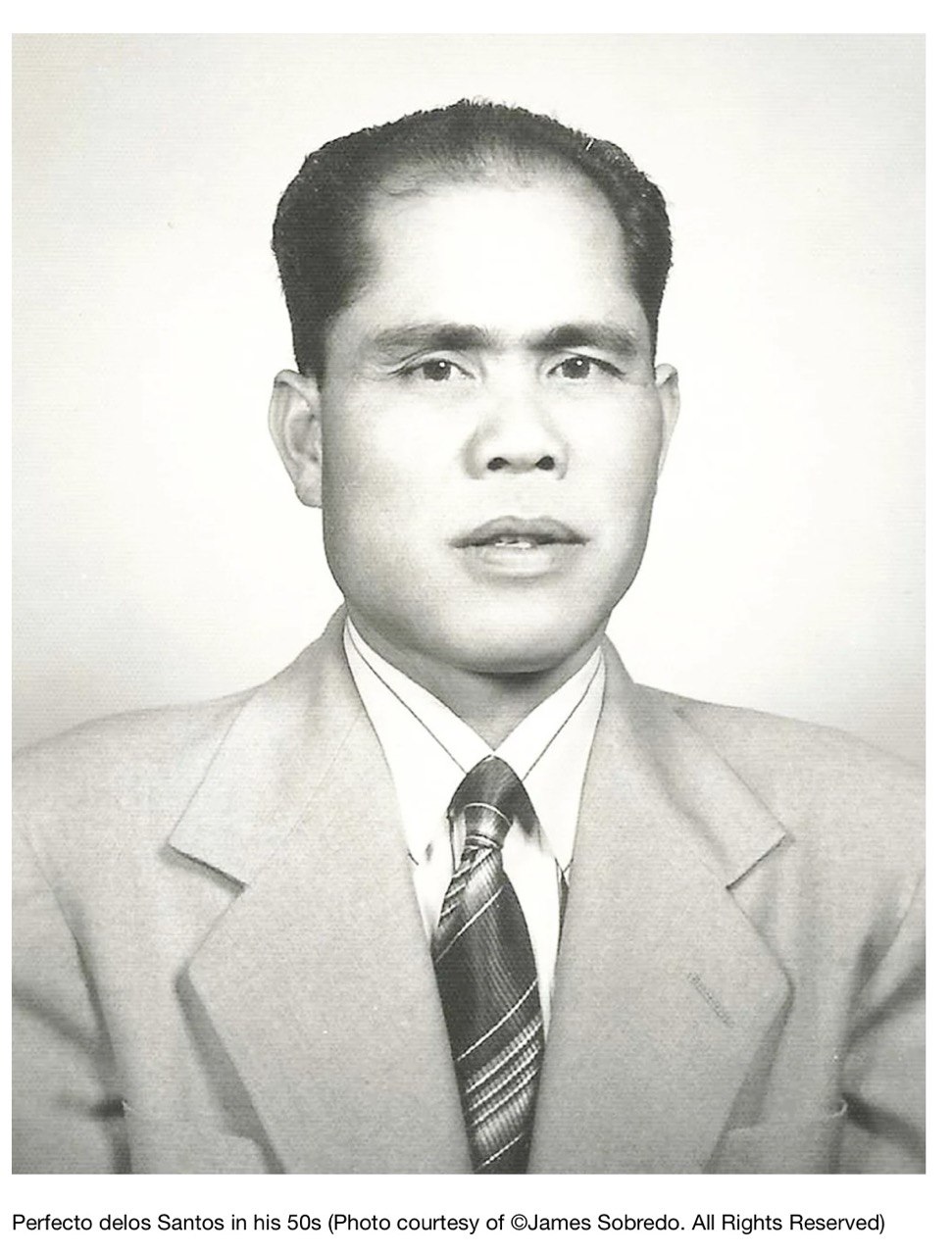
One such journey begins in Aklan. Perfecto Torcuator Delos Santos, born in 1905 in Cayangwan, Makato, left for Seattle in 1929. He became part of the first wave of young Filipinos who toiled in the farmlands of California and the canneries of Alaska. They bent their backs in the San Joaquin and Salinas Valleys, harvesting crops under a burning sun. In the off-season, they endured the icy waters of Alaska as “Alaskeros” in fish canneries.
Yet even as they built the backbone of America’s agriculture and fisheries, they were treated as less than human. Signs at hotels and restaurants greeted them with the words: “Positively No Filipinos Allowed.” In some places, the insult was harsher: “No Filipinos and Dogs Allowed.” These were not just slights—they were reminders that, in the eyes of many, the Filipino migrant was invisible, disposable, and unwelcome.
Still, they endured. Perfecto and thousands like him stood firm against discrimination, forging bonds with fellow workers, joining labor movements, and keeping alive the spirit of home. They had little, but they carried much: the resilience of a people who had survived colonization, war, and poverty.
Their story is tied to the American period in the Philippines (1898–1946), when Filipino nationals were allowed to enter the U.S. as laborers. But this was no free ride—it was a one-way ticket into exploitation. Yet from those fields and canneries grew Filipino-American communities that would later demand rights, recognition, and respect.
Today, their legacy survives in the Filipino presence across California and Alaska. Generations of Aklanons live and thrive there—teachers, entrepreneurs, professionals, community leaders—all descended from men and women once told they were not worthy of a seat in a restaurant. What was once humiliation has become triumph.
This is the story of the Aklanon migrant: to struggle, to endure, and ultimately, to prevail. It is the story of every Filipino who dared to step into foreign soil and claim dignity where none was given.
Migration is not only about leaving—it is about fighting, surviving, and becoming. And for Aklanons, it is proof that no matter how harsh the world’s welcome, we rise. Always.
Acknowledgment
This editorial draws inspiration from the writings of Lourdes Sobredo, granddaughter of Perfecto Torcuator Delos Santos of Cayangwan, Makato, Aklan. Her retelling of her grandfather’s migration story is part of the essay included in the anthology “Beyond Lumpia, Pansit and Seven Manangs Wild: Stories from the Heart of Filipino Americans.”