Agriculture
The Anitu Forest Chocolates of Bukidnon: Tree-to-Bar with Purpose

by: Vic Thor Palarca with Maria Merjure Apao
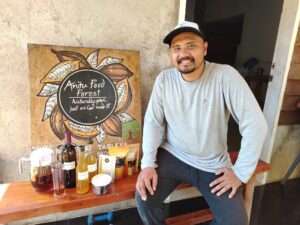
Bukidnon- In Kibawe, Bukidnon, there’s a farm quietly producing premium-quality chocolates made from Trinitario cacao, a variety I encountered for the first time, as introduced by farm owner Marvi Rafael Montecillo. Along with his wife, Rogen Montecillo, both are behind the growing chocolate brand Anitu Food Forest, which is starting to gain attention, not just as a thoughtful pasalubong, but also among chocolate connoisseurs and food writers alike.
I had the opportunity to visit their farm and sample their cacao-based creations as they prepared to apply as a Learning Site for Agriculture (LSA) under the Agricultural Training Institute (ATI).
A timely visit, as I write this story while the world celebrates World Chocolate Day.
A Product of Reforestation
The cacao bean varieties used in crafting Anitu Food Forest chocolates are naturally grown through syntropic farming. According to Marvi, syntropic farming is a method that mimics how Mother Nature works. It involves growing various types of plants close together in a planned sequence, similar to how forests naturally thrive. This approach allows plants to support one another, improves soil health, and encourages the return of diverse flora and fauna that help the ecosystem flourish.
This farming method creates a sustainable and profitable system that balances agriculture with ecological harmony, as exemplified by their cacao and banana food forest in their hometown of Kibawe, Bukidnon.
“Honestly, it all depends on how you ferment, dry, and process the beans into chocolate,” Marvi explained in an interview. “Here in the Philippines, we usually start with clones like UF18, BR25, PBC123, and W10. Those are the common ones we began with. The rare variety is Criollo, which is said to have excellent flavor… but again, it all really depends on the post-harvest process. The Trinitario variety, in particular, has proven to perform well on a commercial scale in the Philippines.”
To further strengthen their cacao production, Marvi has planted thousands of cacao trees by direct seeding in their syntropic farm, alongside grafted seedlings, in hopes of identifying varieties that are both cacao shade-tolerant and pod borer resistant—the latter is a common pest in cacao farms in Southeast Asia.
Creating Sustainable Livelihood through Chocolate
For Marvi and Rogen, the magic of the whole tree-to-bar experience begins with the soil, as well as the cacao varieties they cultivate to create chocolates that are both delectable and genuinely good. Marvi handles the farming, while Rogen crafts their delicious chocolates.
“We create chocolates out of our love for them. Through this passion, we’ve been able to provide livelihood opportunities to our community. We currently have one regular Lumad woman, and two to three on-call youth and mothers involved in chocolate processing. We also support local farm workers who help care for the land. Every piece of chocolate we make is part of a larger vision rooted in growing economic, social and natural abundance. Our chocolates are handcrafted in small batches, depending on demand and the volume of orders.”, Rogen added.
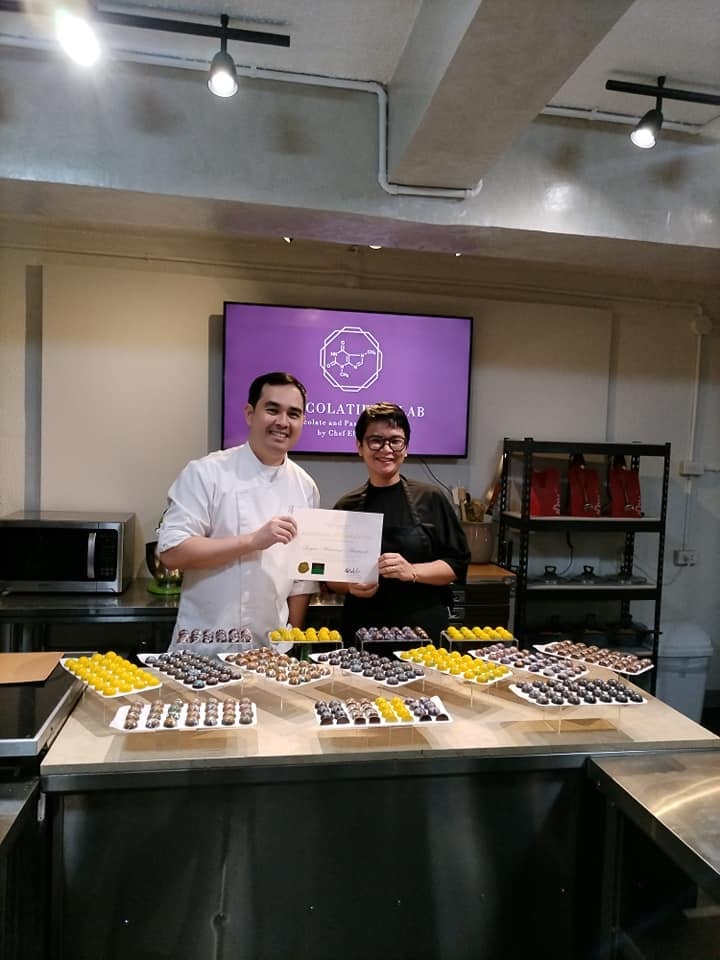
As a testament to her passion for chocolate and her dream of becoming a chocolatier, Rogen continues to upskill by joining chocolate-making workshops, including one in 2024 under the tutelage of renowned chocolatier Ely Salar of Chocolatier’s Lab in Taguig, Metro Manila. She has also participated in other training sessions and visited the Godel chocolate factory to deepen her knowledge and experience.
Through their combined efforts, Marvi and Rogen show that Filipino local farmers and processors are capable of producing world-class chocolate using locally grown cacao. Their beans, cultivated through a regenerative syntropic farming system, not only yield high-quality chocolate but also help restore degraded land and support long-term reforestation.
Single-Origin Chocolates, Big in Flavor
So, what makes their chocolates stand out from the rest of the commercially popular chocolates out there?
According to Marvi, every chocolate you purchase allows them to establish and grow more forests. Their chocolates are currently handcrafted at home, allowing them to maintain a close connection to the ingredients sourced from their own forest farm. “We make sure that every cacao beans we harvest goes into our chocolate bars, which are naturally rich in flavonoids and have a lower risk of cadmium contamination,” he explained. “While many commercial chocolates include added sugars and oils, we aim to highlight the real taste of cacao. With Anitu Forest Chocolates, each bar offers an honest tree-to-bar experience.”
Marvi shared this with quiet pride, as they continue to prepare and save in order to scale their production into a factory setting, without losing the values that have guided their journey from the very beginning.
Single-origin chocolate, while often enjoyed as a treat or dessert, offers a unique sensory experience, with its complex flavors and subtle notes. It provides a thoughtful alternative to the usual sweetness found in many store-bought chocolates.
These chocolates are a reflection of deep respect for locally sourced ingredients, grown on their thriving farm, and a dedication to quality that continues to connect with chocolate lovers.
The Price of Sustainability and Quality
Anitu Forest Chocolates are reasonably priced for handcrafted, premium treats. Their popular Dubai Chocolate version with Pistachio is priced at ₱460 for the 100g ‘Duwende Size,’ while the 200g ‘Higante Size’ is ₱850 (available via pre-order). Other dark chocolate bars (70%–85%) range from ₱160 to ₱450, depending on their weight.
Their ‘Forest Flavors’ dark chocolates, like Banana-Langka and Guava, are also growing in popularity among those with a sweet tooth. New flavors such as Calamansi, Mango, Passion Fruit, and Coconut will be released soon.
These prices reflect the care and dedication behind crafting high-quality, sustainable chocolate, where each bite contributes to ongoing efforts in environmental restoration.
“We started recording our chocolate sales back in 2022, after receiving support from the Young Farmers Challenge Program of DA-AMAD. That time, we had PhP50,000 capital plus some cacao beans and a pre-grinder we already had. Using 2022 as our base. In 2023, our sales grew by around 38%. By 2024, we were blessed to reach almost 200% growth compared to our first year. And for January to June 2025, we have reached over 350% of our 2022 sales. But honestly, we’re still learning and growing, but we’re grateful for the support and opportunities that helped us get this far”, Rogen concluded.
As you unwrap your favorite chocolate and savor its rich goodness, take a moment to appreciate the many cacao farmers whose hard work makes it possible for us to enjoy real, honest-to-goodness chocolate bars.